Harrison EDEH
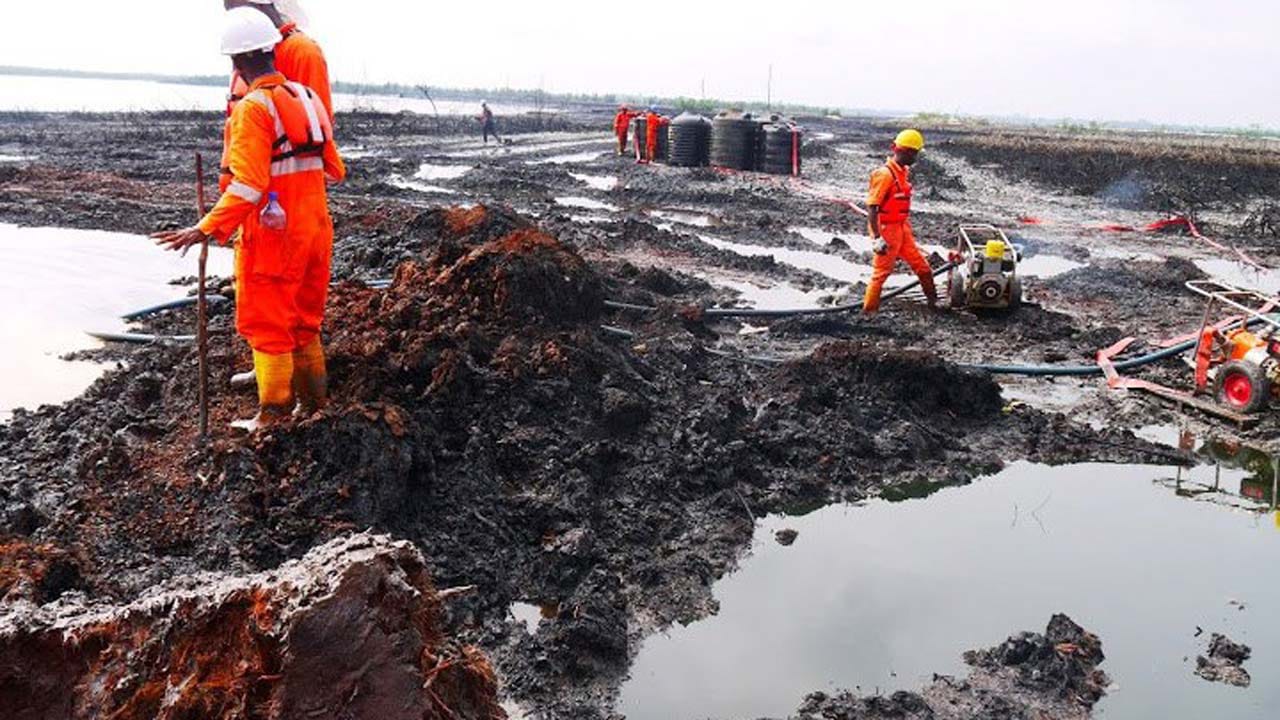
The Strategic Partnership for Lobby and Advocacy (SP L&A) has called on the Federal Government to increase funding for the Ogoni clean-up and expand remediation efforts to more oil-impacted communities in the Niger Delta, warning that sustained financing is critical to completing the environmental restoration project.
According to the group, the Hydrocarbon Pollution Remediation Project (HYPREP) had recorded progress in land remediation, mangrove restoration, water supply and healthcare infrastructure, but stressed that much more work remained to be done.
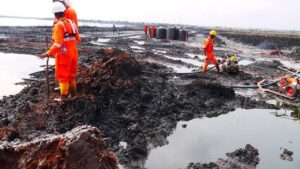
In a statement issued on Monday,November 16, following an engagement with HYPREP and visits to selected intervention sites in Ogoniland on November 6, the partnership said soil and groundwater remediation across high- and medium-risk complex sites had reached 45.62 per cent completion.
It said 30 hydrocarbon-contaminated simple sites had been cleaned and closed out under Phase One, while 238 hectares of land had been remediated.
It noted further that characterisation of 18 high-risk complex sites was also ongoing to guide further remediation.
The group hinted that restoration of fragile coastal ecosystems had reached 83.2 per cent completion, with about 1,335 hectares of oil-impacted mangrove wetlands treated and 2,600 metric tonnes of oily sludge recovered.
It added that HYPREP had restored 560 hectares of mangrove habitat and planted 1.533 million seedlings.
It said its field visit to the Bomu community showed visible mangrove restoration, while the presence of crabs and other organisms along the shoreline offered encouraging signs of ecological recovery.
However, it noted that the extent of recovery and its relationship with remediation activities would require scientific monitoring and verification.
On water supply, the group said HYPREP had completed and operationalised 16 water schemes serving 50 communities, with another 69 communities in the pipeline.
During its visit to the K. Dere water scheme, the partnership observed two storage tanks with a combined capacity of up to 750,000 litres, supported by electricity from the national grid, 100-kilovolt-ampere solar power and generating sets.
It estimated that the scheme was designed to serve between 60,000 and 80,000 residents and recommended that excess solar power be channelled to the host community to avoid wastage.
The partnership also visited the 100-bed Ogoni Specialist Hospital under construction in Kpite community, Tai Local Government Area, stating that the facility was expected to provide specialised healthcare, including cancer screening and treatment, when completed and operationalised.
The group stressed the need to complete and operationalise the hospital by mid-2027.
Beyond environmental remediation and infrastructure, the partnership said HYPREP had created more than 8,000 direct jobs, trained over 5,000 Ogoni youths and women in 21 skill areas, and provided starter packs to 3,690 beneficiaries.
It also hinted that 201 cassava farmers had received training, fertiliser and improved stems, while 160 Mangrove Vanguards had been trained and given nursery funds.
The partnership commended HYPREP’s integrated approach, which combines environmental clean-up with water provision, healthcare, electricity, ecosystem restoration and livelihood programmes.
However, it warned that the project’s progress could be undermined by inadequate funding, weak accountability and renewed pollution of remediated sites.
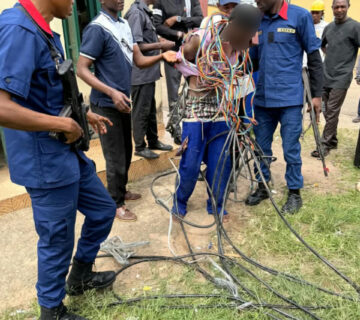
It identified land access restrictions, youth agitations, boundary disputes, equipment theft and vandalism, and misinformation as challenges affecting implementation.
The group therefore urged the government to maintain and increase funding to cover ongoing remediation, water projects, mangrove restoration, livelihood programmes and the completion of critical infrastructure.
It also called on HYPREP to explore climate financing opportunities, strengthen monitoring of remediated sites, improve community engagement and expand collaboration with civil society organisations.
The partnership further recommended greater investment in alternative livelihoods, including sustainable fishing, aquaculture, agriculture and mangrove conservation, to help affected communities benefit from environmental recovery.
It said the success of the clean-up should not be measured only by the number of sites remediated or infrastructure projects completed, but also by sustained improvements in environmental quality, healthcare, access to essential services and livelihoods.
The group clarified that its findings were based on a briefing by HYPREP and visits to selected sites, not an independent technical assessment, environmental impact evaluation, engineering inspection or financial audit. It said the observations did not independently verify HYPREP’s reported achievements or the technical quality of the remediation work.
The partnership said it had begun a broader rapid assessment to determine how far HYPREP had institutionalised and sustained key mechanisms and interventions promoted by the group.
It commended HYPREP for the progress recorded but said sustained funding, accountable leadership, protection of remediated sites and meaningful community participation remained necessary to complete the clean-up and restore the social contract in Ogoniland and the wider Niger Delta.