Harrison EDEH
THE Federal Government has dismissed reports that it plans to withdraw electricity subsidies or increase electricity tariffs from next year.
This is despite growing concerns over N100 billion electricity debt owed by the Ministries, Department and agencies of the government and tariff freeze which creates lots of liquidity problems in the power sector.
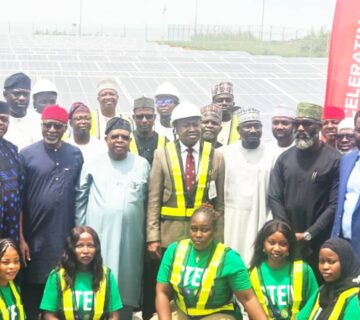
Minister of Power, Joseph Tegbe, gave the clarification on Monday, September 21,during a press briefing in Abuja to mark his first 100 days in office.
Tegbe, emphatically said the government had no plans to introduce a tariff increase that would place additional financial pressure on electricity consumers.
According to the minister, the government’s priority is to improve electricity supply and ensure Nigerians receive better service without imposing additional costs on them.
He said the government remained focused on strengthening the country’s power sector by improving electricity generation, transmission and distribution.
Tegbe added that efforts were ongoing to provide more reliable electricity across the country and address challenges affecting service delivery.
The minister’s comments followed reports suggesting that the Federal Government could withdraw electricity subsidies and implement higher tariffs from next year.
With this development, electricity stakeholders are worried of possible growing of power sector debts and related liabilities.
Advocate Times reports that the electricity subsidy bill surged to ₦1.93 trillion in 2025, highlighting the growing financial cost of keeping customer tariffs below the actual cost of supplying electricity, even as the power sector recorded significant improvements in grid stability.
The figure, contained in the Nigerian Electricity Regulatory Commission’s (NERC) 2025 Annual Report & Accounts, represents 57.44 per cent of the total electricity generation invoice from the Nigerian Bulk Electricity Trading Plc (NBET).
The government’s subsidy obligation averaged ₦160.69 billion every month during the year.
NERC attributed the huge subsidy bill largely to the Federal Government’s decision to freeze electricity tariffs across customer bands throughout 2025, despite increases in the cost of generating and supplying electricity.
“This subsidy obligation of the FGN is largely attributable to the FGN’s policy to freeze allowed tariffs paid by customers despite the increase in cost-reflective tariffs,” NERC said.